【 Currently Open 】
Calligraphy by Modern Artists: |
Kahitsukan Collection |
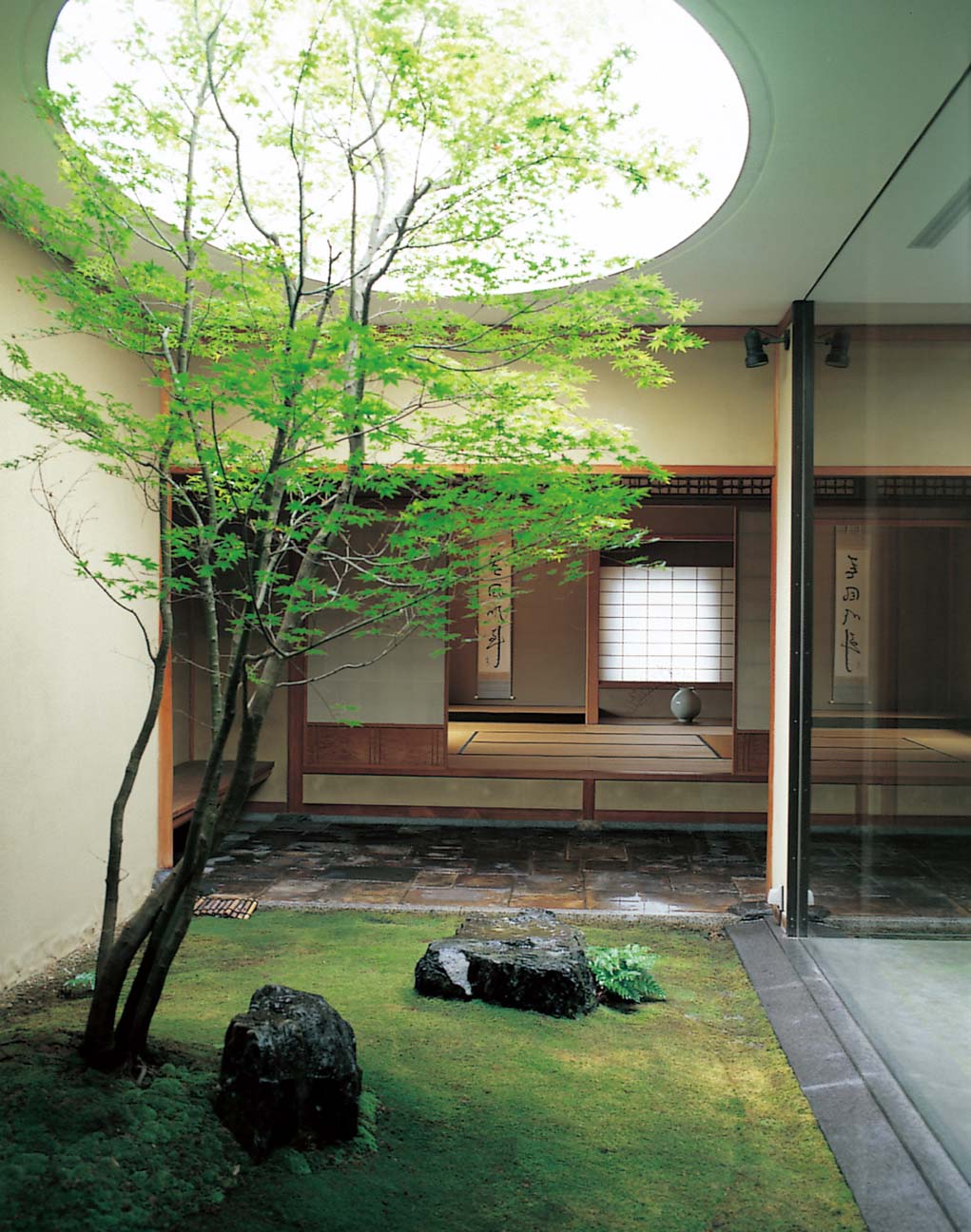 |
The Kahitsukan, where calligraphy works are displayed; the 5th-floor tea room"Chashitsu"
|
June 10 - September 27, 2026
Opening Hours 10:00 a.m. - 6:00 p.m. ( admission till 5:30 p.m. )
Closed Mondays ( Open on Jul 20, Sep 21), and Summer Closure, 8/14~8/16
Admission Fee General JPY 1,500 / Students JPY 1,300
Anniversary Issue “ Calligraphy by modern artists ( Japanese edition only ) ”, JPY 4,000
| Introduction ---------------------------------------------------------------------------------------- |
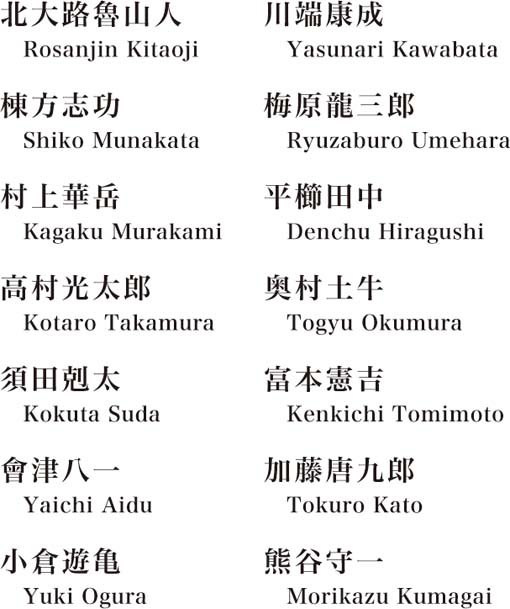
“Modern Artists’ Calligraphy” stands apart from the calligraphy of traditional calligraphers; within its free expression, unbound by the conventions of the calligraphy world, lies the concentrated essence of the artist’s refined sensibility. |
Yoshitomo Kajikawa Director, Kahitsukan ・ Kyoto Museum of Contemporary Art |
| Works -------------------------------------------------------------------------------------------------------- |
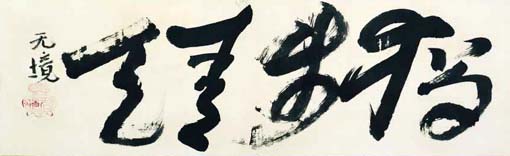 |
Rosanjin Kitaoji, "Do-PPo-Sei-Ten"The Blue Cliff Record: Walking alone under the Blue sky
|
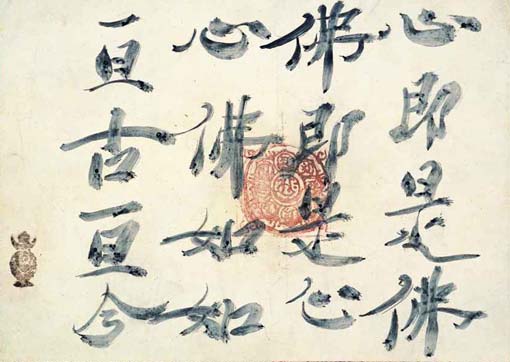 |
Kagaku Murakami, "Shin-Soku-Ze-Butsu" Buddist doctrine
|
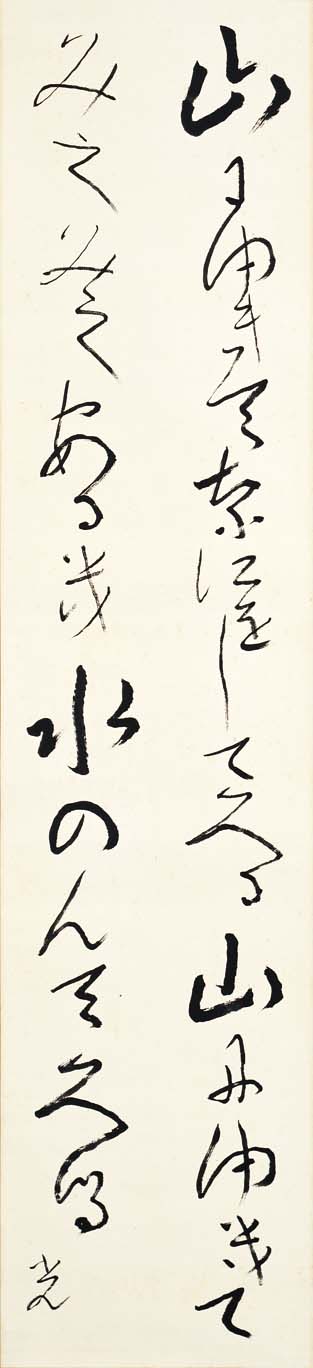 |
Kotaro Takamura, Yamaniyukite |
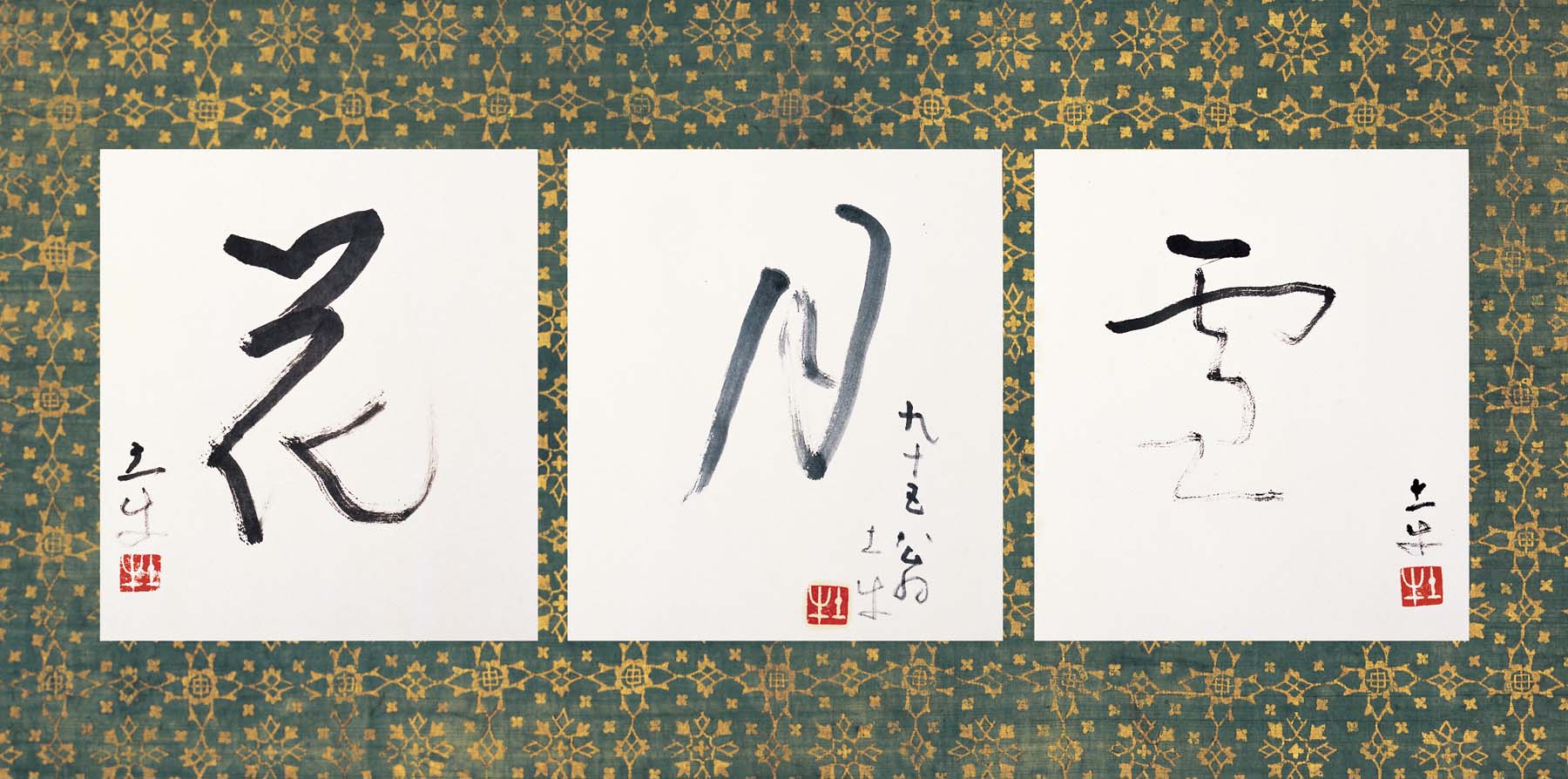 |
Togyu Okumura, "Setsu-Getsu-Ka"Snow, Moon and Flower |
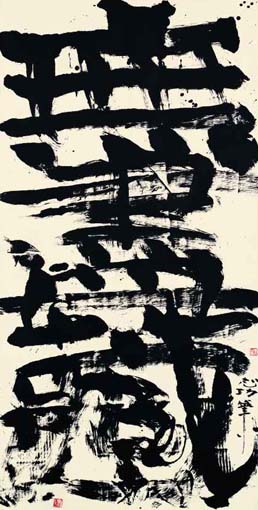 |
Shiko Munakata "Mu-jin-Zo", Buddist term
|
| Calligraphy by Modern Artists |
Yoshitomo Kajikawa |
For over a thousand years, calligraphy has been an integral part of traditional Japanese culture. Until just a hundred years ago, everything?from official documents and letters to town signs and even the teru teru bozu dolls hung from eaves?was written with a brush. By examining a person’s handwriting, one could infer their social status, occupation, age, personality, and even their ideological leanings. However, with the rapid development of movable type, the diversity of brush-written text was supplanted by the uniform clarity of printed typefaces, and calligraphy became the exclusive domain of a select few?the calligraphers. Furthermore, in recent years, calligraphy classes have been removed from the mandatory curriculum in schools, and with the spread of computers and email, the very act of writing by hand is disappearing from daily life?a trend that is eroding the foundation of our spiritual world. Amid these circumstances, observing the calligraphy of modern Japanese artists allows us to rediscover the value of what has been lost and to recognize the true essence of calligraphy. Rather than merely pursuing technical mastery, the writer expresses the words they wish to write, following the promptings of their heart. The individuality honed in their respective fields and the passion for creation dwell within the calligraphy, and the writer’s very life is transmitted from brush to paper along the shortest possible path. And woven into a single sheet of paper are the unique rhythms of that person’s thought and the full spectrum of human emotions?joy, anger, sorrow, and pleasure. Calligraphy reflects unexpected inner thoughts and history in the spaces between the words. The life of calligraphy lies in transforming the landscape woven by brush, ink, inkstone, and paper into a space for contemplation. As the saying goes, “Calligraphy is the person,” the viewer can encounter the artist through the calligraphy. At times, they may be deeply encouraged, find their hearts healed, and be led to reflect on their own way of life. When the characters change, so do the ideas. For modern artists, calligraphy is another facet of their identity; for contemporary people tossed about by the tides of the times, might it not serve as a guide to the concept of the “self”? As the saying goes, “It is not the person who polishes the ink, but the ink that polishes the person”; within a single, one-of-a-kind calligraphic work, inner aspects that even the artist themselves may not have realized come to light. The artist’s thoughts and philosophy take residence in the brush, ink, and paper, giving birth to calligraphy that is spontaneous and ingenious. Is this not both the daunting aspect and the true delight of calligraphy? The fourteen artists featured in this exhibition understand the rigors of calligraphy and yet enjoy it wholeheartedly. Their works are a distillation of their refined aesthetic sensibilities and philosophies. |
( Director, Kahitsukan・Kyoto Museum of Contemporary Art ) |
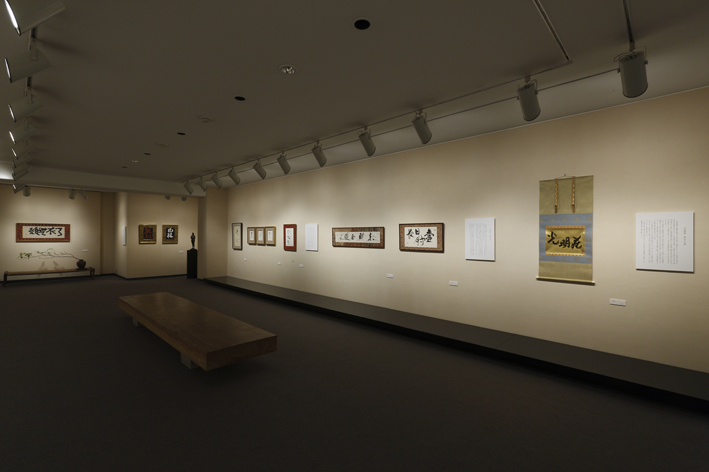 |
Kahitsukan, Floor |
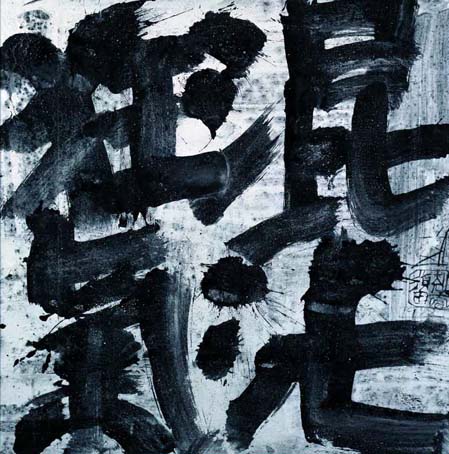 |
Kokuta Suda,"Kon-Ton-Kyo-Ki" Chaos and Madness
|
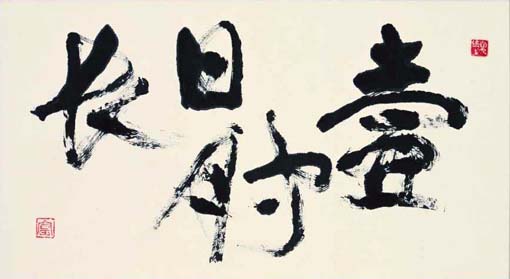 |
Kenkichi Tomimoto,"Ko-chu-jitsu-getsu" Chinese Folktales
|
 |
 |
|
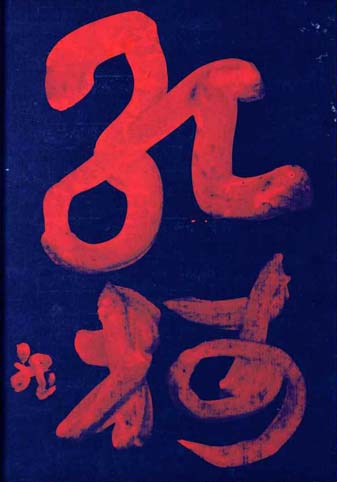
Ryuzaburo Umehara,"Ko-Bai" Red plum |
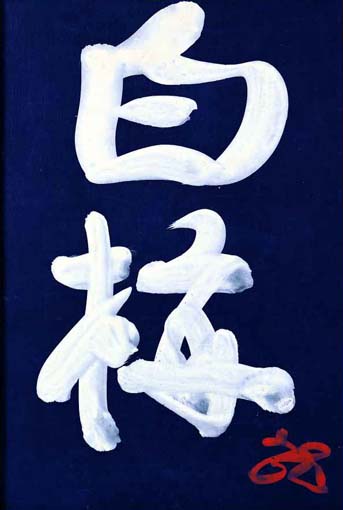
Ryuzaburo Umehara "Haku-Bai", White plum |
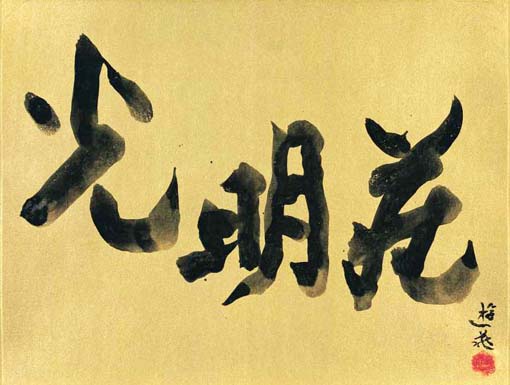 |
Yuki Ogura, Buddhist Terms"Ko-Myo-Jin" Its True, Pure Form |
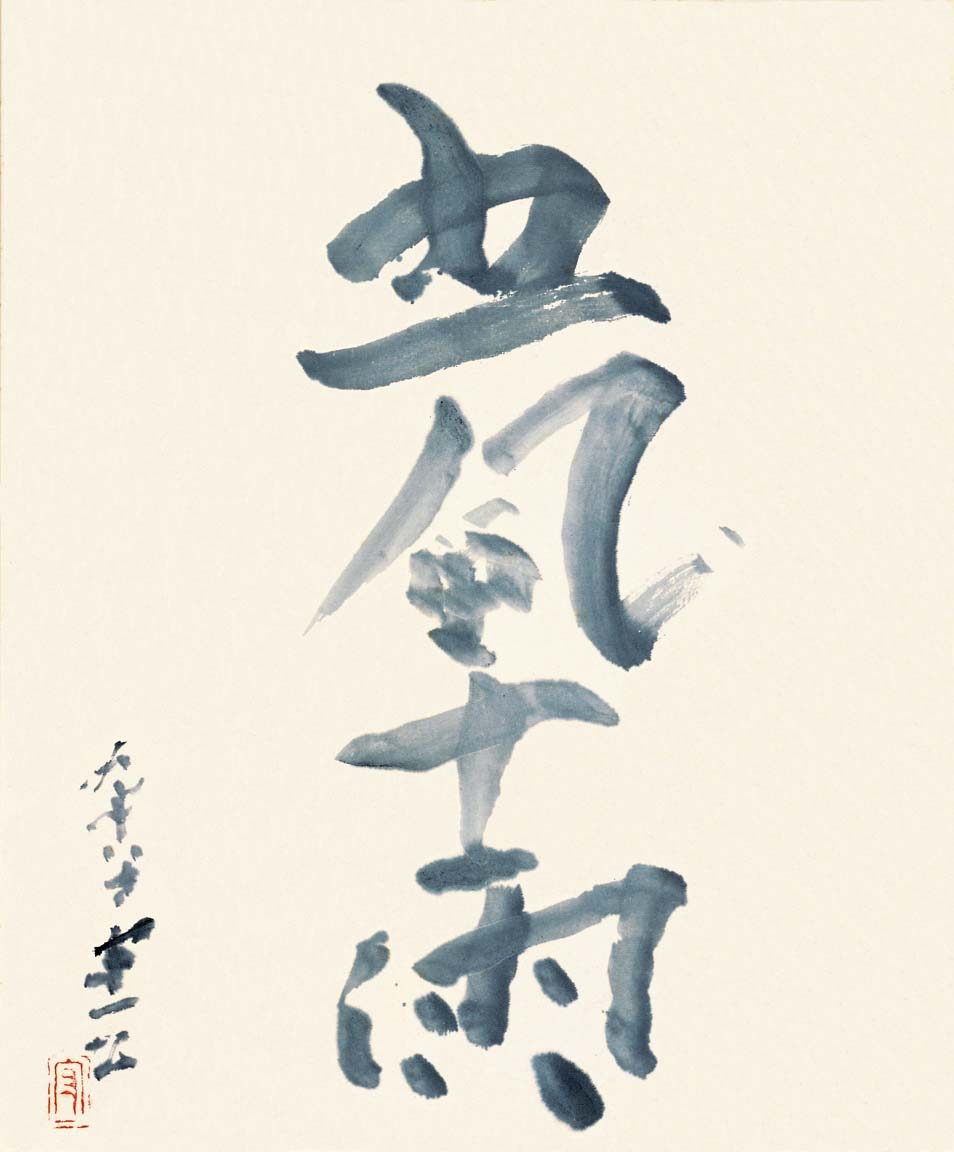 |
Morikazu Kumagai, "Go-hu-Jyu-U"Five winds and ten rains
|
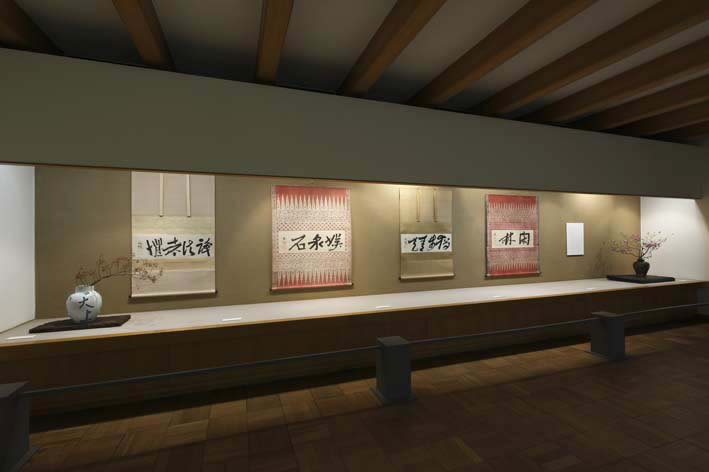 |
Kahitsukan Floor |
| General Information ---------------------------------------------------------------------------------- |
Calligraphy by Modern Artists: |
Kahitsukan Collection |
Wednesday June 10 -Sunday September 27 2026 Opening Hours 10:00 a.m. - 6:00 p.m. (admission till 5:30 p.m.) Closed Mondays (Open on July 20, September 21) Venue Kahitsukan - Kyoto Museum of Contemporary Art Location 271, Kitagawa, Gion, Higashiyama-ku, Kyoto 605-0073 JAPAN Admissions General JPY 1,500 / Students JPY 1,300 Anniversary Issue “Calligraphy by modern artists ”, JPY 4,000 Museum’s Collection of Kitaoji Rosanjin on view in the basement |
| Goods ---------------------------------------------------------------------------------- |
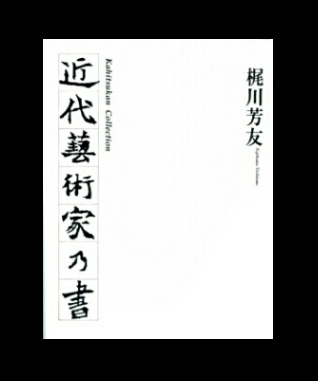
Anniversary Issue
“Calligraphy by modern artists(Japanese edition only)”, JPY 4,000
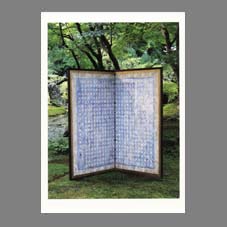 |
● Postcards 8 postcards sold in sets, JPY 1,500 |

